Sensory Processing Awareness Month
Sound Sensitivity in Children: Looking Beyond Noise-Cancelling Headphones
Understanding why everyday sounds can feel overwhelming, and why a hearing assessment is an important part of supporting children with sensory processing differences.
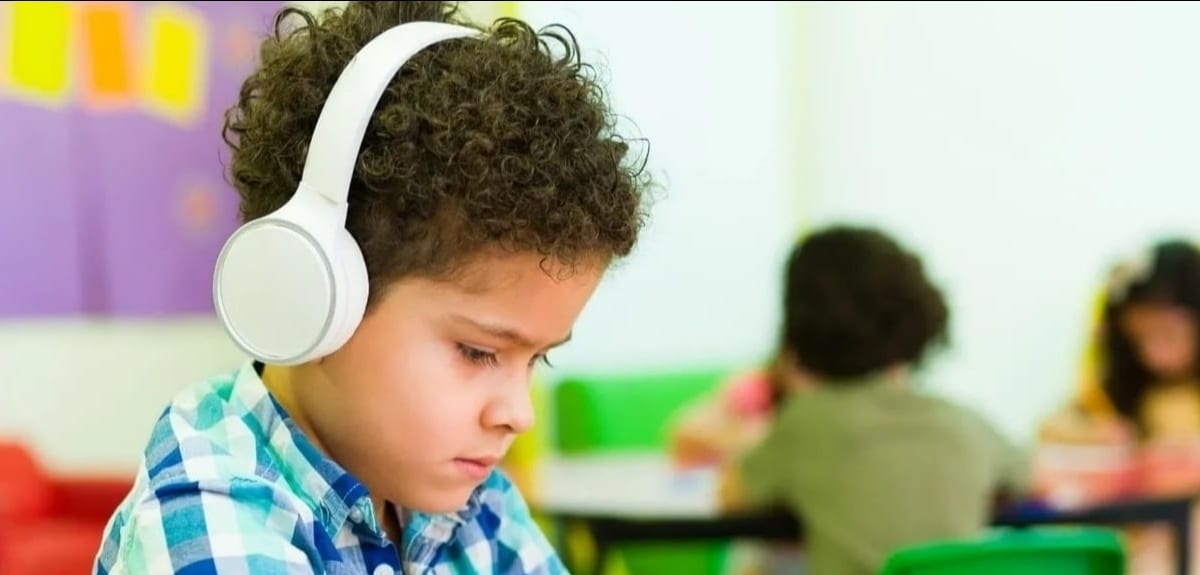
For many children, the sounds of everyday life are simply part of their environment. A school bell ringing, chairs scraping across the classroom floor, children chatting in the playground or the sound of a hand dryer in a public toilet.
But for some children, these everyday sounds can feel overwhelming, uncomfortable or even frightening. During Sensory Processing Awareness Month, we want to raise awareness of sound sensitivity in children and encourage a greater understanding of the different factors that may contribute to their difficulties.
As paediatric audiologists, we are increasingly seeing children who have been provided with noise-cancelling headphones or ear defenders to help manage their sensitivity to sound.
These devices can offer valuable relief, particularly in busy or overwhelming environments. However, we believe there is an important question that should be considered alongside their use:
Have we explored why this child is experiencing difficulty with sound in the first place?
What is sound sensitivity?
Sound sensitivity is an umbrella term describing different ways in which individuals may experience discomfort, distress or difficulty when exposed to sounds.
For some children, ordinary sounds may seem excessively loud or uncomfortable. This is sometimes referred to as hyperacusis.
Other children may experience sensory processing differences, where their nervous system responds differently to sensory information, including sound, touch, movement or light.
Some children may have strong emotional reactions to particular sounds, while others find busy environments overwhelming because they struggle to separate important information, such as speech, from competing background noise.
Sound sensitivity is commonly reported in children with autism and other neurodevelopmental differences, but it can also occur in children without any identified developmental condition.
Children can have normal hearing thresholds and still experience significant difficulties with sound. Their experiences are real and deserve to be understood and supported.
Could there be an underlying hearing difficulty?
When a child regularly covers their ears, avoids noisy environments or becomes distressed by particular sounds, it can be easy to assume that the difficulty is entirely sensory. However, this is not always the case. An underlying hearing condition may be contributing to the child's experience.
Glue ear and fluctuating hearing
One example is glue ear, medically known as otitis media with effusion.
Glue ear is common in childhood and occurs when fluid builds up behind the eardrum. It can cause temporary or fluctuating hearing loss, making sounds less clear and listening more effortful.
Some children may experience increased sound sensitivity when their hearing improves following a period of glue ear. Sounds that were previously reduced or muffled may suddenly seem unusually loud.
The NHS recognises this relationship between glue ear and sound sensitivity. Glue ear can also affect a child's ability to follow conversations, particularly in noisy environments such as classrooms.
The National Institute for Health and Care Excellence (NICE) recommends that children with suspected glue ear receive appropriate assessment, including hearing testing and tympanometry.
Other conditions, including permanent hearing loss, tinnitus and certain medical conditions, may also contribute to difficulties with sound.
Without an appropriate hearing assessment, potentially important contributing factors may go unidentified.
What about auditory processing difficulties?
Hearing involves more than simply detecting sound. Our brains must also interpret, organise and make sense of the auditory information we receive.
Some children experience auditory processing difficulties despite having normal hearing thresholds. They may struggle to understand speech in background noise, follow spoken instructions, process verbal information or separate a teacher's voice from competing classroom sounds.
For these children, noisy environments can become particularly challenging.
It is important to recognise that sound sensitivity and auditory processing disorder (APD) are not the same condition. Although they may coexist, one does not automatically indicate the presence of the other.
A comprehensive audiological assessment can help identify hearing difficulties and determine whether further investigation of listening and auditory processing skills may be appropriate.
Noise-cancelling headphones: helpful support or potential barrier?
Noise-cancelling headphones and ear defenders are increasingly used to help children manage overwhelming sounds, particularly within educational settings.
And understandably so. For a child who is distressed by noise, reducing the amount of sound reaching their ears may offer immediate relief. Headphones may help a child remain in the classroom, participate in activities or manage environments that would otherwise feel overwhelming.
There is certainly a place for these devices.
However, there are several important considerations when they become a child's main strategy for managing everyday sound.
1. Access to communication and learning
When we reduce environmental sound, we may also reduce access to important speech and communication.
Depending on the type of device and how it is used, children wearing headphones or ear defenders may find it more difficult to hear their teacher, follow conversations or respond to classmates.
Passive ear defenders reduce sound through physical attenuation, whereas active noise-cancelling headphones use technology to reduce certain environmental sounds. Their effects on speech access vary considerably.
Although a child may appear calmer and more settled, it is important to consider whether they remain fully included in the communication taking place around them.
Supporting sensory comfort should not unnecessarily come at the expense of communication, social interaction or learning.
2. Could prolonged sound avoidance increase sensitivity?
Another consideration is the potential effect of consistently reducing exposure to everyday sounds.
For individuals with hyperacusis, prolonged or unnecessary use of hearing protection in ordinary, safe listening environments may contribute to increased sound sensitivity.
NHS guidance advises against wearing earplugs or ear defenders continuously for hyperacusis, while recognising that short-term use can be beneficial in particularly noisy situations.
However, it is important not to generalise this advice to every child with sensory processing differences. Research examining the long-term effects of noise-cancelling headphones in neurodivergent children remains limited.
We cannot assume that headphone use will inevitably worsen sound sensitivity. For some children, sensory accommodations are essential to their comfort, wellbeing and ability to participate. The important consideration is whether headphones are being used thoughtfully as part of an individualised support plan, rather than becoming the only approach offered.
3. Are we addressing the underlying difficulty?
Providing headphones may help reduce the immediate sensory demands placed on a child. However, it does not necessarily explain why that child is struggling.
- Could there be fluctuating hearing levels?
- Is the child finding it difficult to understand speech in background noise?
- Are particular sounds causing physical discomfort or anxiety?
- Could the classroom environment be contributing to the difficulty?
- Or does the child experience broader sensory processing differences that require additional support?
Exploring these questions allows us to develop a more meaningful understanding of the child's needs.
How can we support children with sound sensitivity?
There is no single approach that will suit every child. Supporting children effectively often requires collaboration between families, teachers, audiologists, occupational therapists and other professionals.
Creating calmer listening environments
Reducing unnecessary background noise, improving classroom acoustics and providing access to quiet spaces can make a meaningful difference.
Preparing children for unexpected sounds
Explaining when potentially uncomfortable sounds may occur can help children feel more prepared and in control.
Offering choice and flexibility
Allowing children to move away from overwhelming environments, take sensory breaks or use appropriate hearing protection when needed can support their wellbeing.
Using headphones strategically
Noise-cancelling headphones or ear defenders may be particularly helpful during noisy activities, while opportunities for comfortable communication and listening should be maintained wherever possible. Hearing protection should always be used when sound levels are potentially harmful.
Supporting sound tolerance where appropriate
For some children with hyperacusis, gentle, child-led approaches to sound enrichment or gradual exposure may be beneficial under appropriate professional guidance. Children should never be forced to tolerate sounds that cause pain or significant distress.
Listening to the child
Perhaps most importantly, children should be involved in decisions about their own sensory needs wherever possible. The aim is not to make children tolerate environments that are genuinely overwhelming. It is to help create environments where they feel safe, comfortable and included.
The importance of collaboration between audiologists and occupational therapists
Sound sensitivity can involve both auditory and broader sensory factors, making collaboration between professionals particularly valuable.
Occupational therapists bring specialist expertise in sensory processing, regulation, participation and environmental adaptations.
Audiologists contribute expertise in hearing, middle-ear function, sound tolerance and auditory listening difficulties.
When a child presents with persistent sound sensitivity, communication between occupational therapists and audiologists may help identify underlying hearing-related factors alongside sensory needs.
Similarly, when an audiologist identifies broader sensory processing concerns, referral to occupational therapy may provide valuable additional insight.
Teachers, speech and language therapists, psychologists and families also play important roles in understanding how these difficulties affect everyday life.
By encouraging reciprocal referrals and shared management plans, we can develop more individualised support that considers the whole child. The goal is not simply to reduce sound exposure, but to promote comfort, communication, participation and inclusion.
These are complementary perspectives, and neither should be considered in isolation.
Why a comprehensive hearing assessment matters
When a child presents with persistent sound sensitivity, a comprehensive paediatric audiological assessment can provide valuable information. Depending on the child's age, developmental stage and individual needs, this may include:
- A detailed history of hearing, listening and sound sensitivity.
- Examination of the ears.
- Assessment of middle-ear function, including tympanometry.
- Age-appropriate hearing tests.
- Objective hearing assessments where appropriate.
- Exploration of everyday listening and communication difficulties.
- Recommendations for further assessment or referral when indicated.
Assessments should always be adapted to the child's individual needs, particularly where sound sensitivity or sensory processing differences are present.
A hearing assessment does not replace an occupational therapy assessment or broader evaluation of sensory processing needs. Rather, it provides an important part of the overall picture and helps ensure that hearing-related difficulties are not overlooked.
A message to parents, teachers and professionals
If you are supporting a child who struggles with everyday sounds, the steps you take to help them feel safe and comfortable are incredibly valuable.
Noise-cancelling headphones can be a helpful accommodation, particularly when a child is distressed or overwhelmed. However, they should ideally form part of a wider, individualised approach rather than automatically becoming the only solution.
We would encourage families and professionals to consider a hearing assessment when a child experiences persistent sound sensitivity, particularly if they also have a history of ear problems, difficulty following conversations or concerns about their listening skills.
Sometimes the most helpful first step isn’t finding a way to block out more sound. It’s understanding how the child hears, experiences and makes sense of the world around them.
How Hearing Pathways can help
At Hearing Pathways, we provide specialist paediatric audiological assessments tailored to each child's individual needs.
We understand that children with sensory processing differences may require additional time, reassurance and flexibility during their assessment.
Our approach focuses on understanding the whole child, identifying potential hearing-related difficulties and working collaboratively with families and other professionals to support their hearing, listening and communication.
If you have concerns about your child's hearing, sound sensitivity or listening abilities, we would be happy to discuss how an assessment may help.
Evidence and further reading
Information on sound sensitivity, possible causes and the appropriate use of hearing protection.
https://www.nhs.uk/conditions/hyperacusis/
Evidence-based recommendations on recognising, assessing and managing glue ear in children.
https://www.nice.org.uk/guidance/ng233
Paediatric audiology guidance on sound sensitivity, glue ear and supportive management.
https://www.hey.nhs.uk/patient-leaflet/sound-sensitivity-in-children/
Information on symptoms, hearing difficulties and management of glue ear.
https://www.nhs.uk/conditions/glue-ear/
Professional resources relating to hearing, audiology and clinical practice.
https://www.thebsa.org.uk/
For a broader collection of research and clinical guidelines underpinning our resources, visit our Evidence & Further Reading page.